
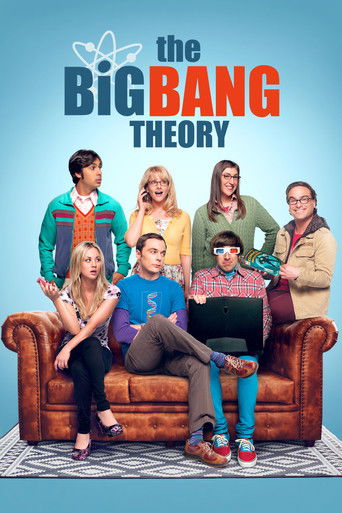
 The Big Bang Theory
HomieHelpDesk
Hi, welcome to the desk. 164 stories about the people beside you at home, at school and at work, each with its cast, its rating and a Watch now button.
What do I feel like watching tonight?
Series to settle into
Open folder (44)
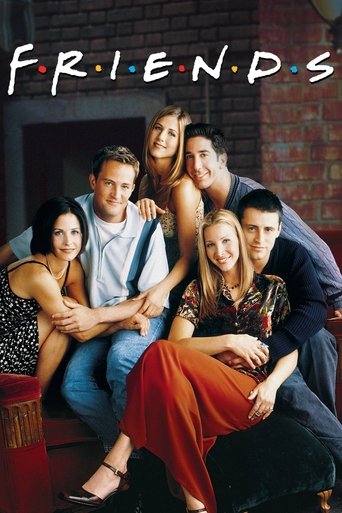
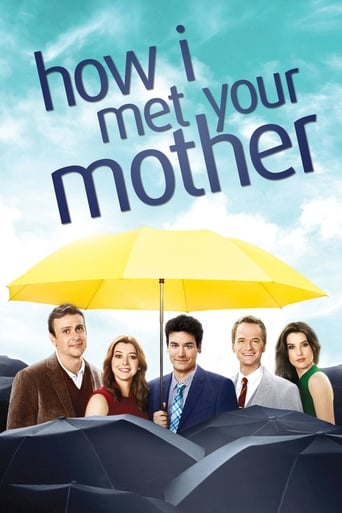
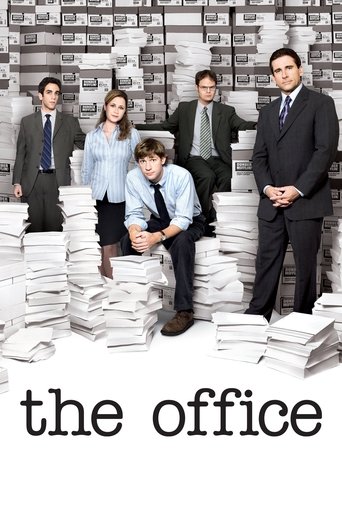

Top of the queue
| Title | Kind | Score |
|---|---|---|
| The Office | Series | 8.6 |
| Friends | Series | 8.4 |
| Severance | Series | 8.4 |
| The Wonder Years | Series | 8.3 |
| Boy Meets World | Series | 8.3 |
| Girl Meets World | Series | 8.3 |
| Fawlty Towers | Series | 8.3 |
| Grey's Anatomy | Series | 8.2 |
Movies
Open folder (120)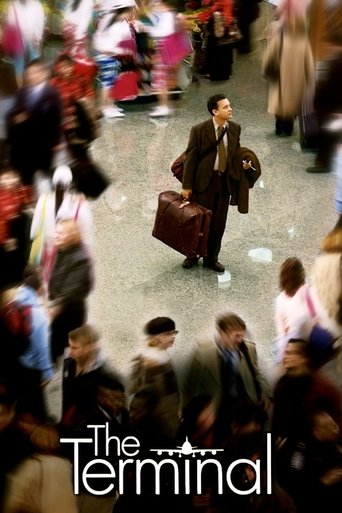




At work
Open folder (24)
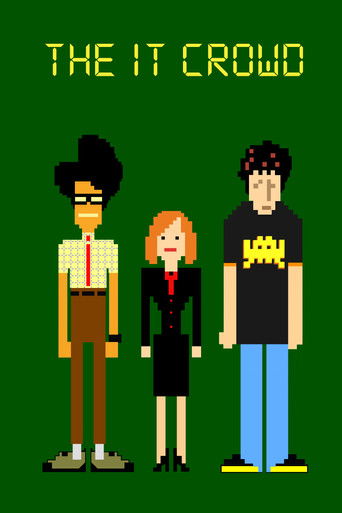
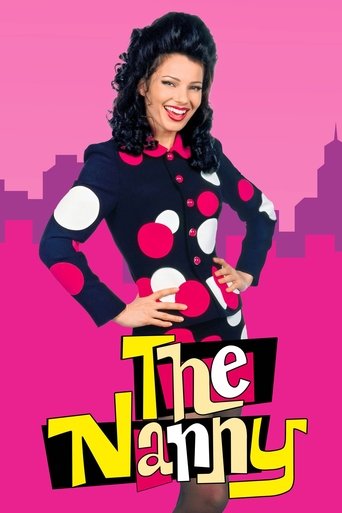

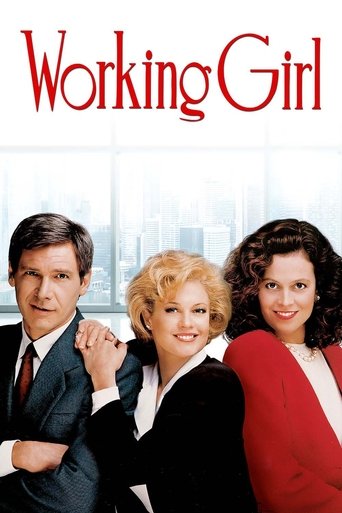

Friends
Open folder (105)
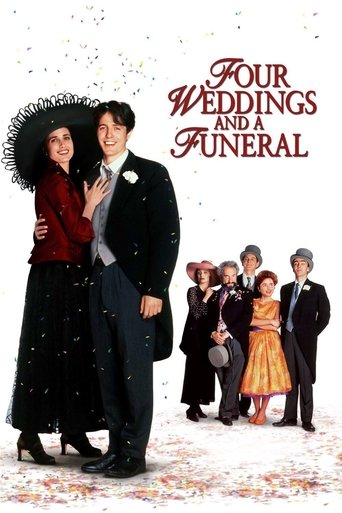




Odd couples and neighbours
Open folder (27)



School friends
Open folder (41)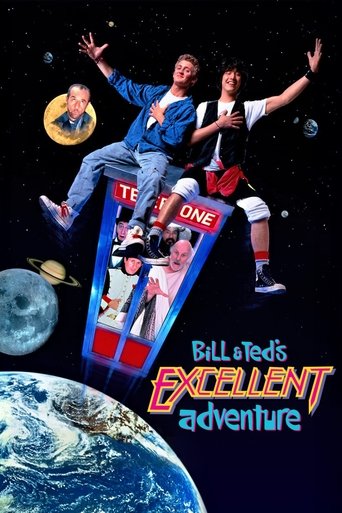


The HomieHelpDesk guide
HomieHelpDesk: movies and series about friends, flatmates and workmates, from The Office, Friends and Severance to The Terminal, Big and Working Girl
Most stories are sold on their hero. The ones people return to are loved for somebody else: the friend on the sofa, the flatmate with strong opinions about the washing-up, the colleague at the next desk who makes a long Tuesday bearable. HomieHelpDesk is built around those people. It is a friendly desk where a visitor asks a simple question, what shall I watch tonight, and receives a short, well-sorted answer. Behind the desk sit 164 titles: 120 movies and 44 series, made between 1936 and today, the movies alone adding up to about 200 hours and the series to 285 seasons and 5,997 episodes.
Every title here is about company. Some follow a circle of friends, as Friends and How I Met Your Mother do. Some follow the people who share a workplace, as The Office, Superstore and Severance do in three very different tones. Some follow two people who would have passed each other in the street until a shared flat, a shared fence or a shared problem tied them together, as in The Odd Couple and The Upside. A good number follow classmates, and a small, treasured group follows teachers and coaches. The desk sorts all of them into folders so that the right one is two clicks away.
The idea of a help desk suits the subject. A help desk is where one person brings a small problem and another person, patiently and with good humour, solves it. That is also a fair description of friendship as these stories show it. The six friends of a Manhattan coffee house, the staff of a paper company in Pennsylvania and the regulars of a Boston bar all spend their days solving one another's small problems, and the pleasure of watching them comes from the patience and the good humour.
The guide on this page walks through each folder in turn, names the titles worth opening first and explains how the desk works. A reader in a hurry can go straight to How to watch with HomieHelpDesk; a reader with a cup of tea can stay for the whole tour.
How the desk works
The home page opens as a conversation. The desk says hello, the visitor asks what to watch, and six quick replies appear underneath: something about friends, a workplace story, make me laugh, for the whole family, a good drama, and only the best. Each reply carries a green number, the count of titles waiting in that folder, and each opens a full page of posters. A visitor who already has a title in mind can type it into the search box in the bar, which also understands the names of actors and directors.
Beside the first block of posters stands a small table called Top of the queue. It lists the eight highest-rated titles at the desk with their kind, movie or series, and their score. Below it run five rows of white cards. Each card is laid out like a support ticket: a poster, a year written as a ticket number, a green score and the title. The rows cover movies, the workplace, friends, odd couples and neighbours, and school friends, and a link at the end of each row opens the complete folder.
A title page gives the year, the length, the rating, the leading cast, the director or creator and a summary. For a series it also lists every season. The Watch now button sits beside a country selector; choose a country and the button opens the title on JustWatch, which shows the subscription, rental, purchase and free services that carry it there. The four routes into the catalogue are set out in Finding a title.
The list feature is called My Tickets. Opening a ticket means saving a title for later; closing a ticket means it has been watched. The list is kept in the browser on the device in use and can be saved as a file, as My Tickets explains.
The friends folder
The largest folder at the desk holds 105 titles, and the friends guide divides it into groups, pairs and unlikely friends. The groups are the most famous. Friends ran for ten seasons and 228 episodes from 1994, and its premise could be written on a coaster: six people in their twenties in Manhattan, two apartments across a hallway and one orange sofa in a coffee house. Created by Marta Kauffman and David Crane, it holds a rating of 8.4 here, and its real subject is the stretch of life when friends are family. How I Met Your Mother, 208 episodes from 2005, moved the sofa to a booth in a pub and added a narrator looking back from the future. The Big Bang Theory, 279 episodes from 2007, gave the booth to four scientists in Pasadena and the neighbour across the hall.
Pairs make up the second part of the folder. Stan & Ollie follows Laurel and Hardy on a tour of British theatres in 1953, with Steve Coogan and John C. Reilly playing two men who have worked side by side for decades and are only now saying what the partnership has meant. Tommy Boy sends Chris Farley and David Spade across the Midwest to save a family car-parts business, and their bickering in a slowly collapsing car has made the film a favourite for thirty years. The Upside pairs Bryan Cranston as a wealthy man who uses a wheelchair with Kevin Hart as the assistant he hires against all advice; it retells the French hit The Intouchables for an American audience.
The third part is the most touching. In The Terminal, directed by Steven Spielberg in 2004, Tom Hanks plays Viktor Navorski, a traveller who has to live in a New York airport while his papers are sorted out. Over the months the cleaners, the food-service staff and the baggage handlers become his friends, and the airport turns into a village. In About a Boy, from the novel by Nick Hornby, a carefree Londoner played by Hugh Grant is adopted as a friend by a twelve-year-old who has decided that his mother needs more people around her. And in Bob Trevino Likes It, released in 2025, a lonely young woman looks for her father online and finds a kind stranger who shares his name.
The workplace folder
Twenty-four titles are set at work, and the workplace guide begins with the title at the very top of the queue. The Office, developed by Greg Daniels from the British series by Ricky Gervais and Stephen Merchant, spent nine seasons and 186 episodes at the Scranton branch of a paper company called Dunder Mifflin. A documentary crew films the staff, which lets characters glance at the camera whenever the manager, Michael Scott, says something remarkable. Its rating of 8.6 is the highest at the desk, and the reason is the slow love story between Jim at the sales desk and Pam at reception, told across years in looks, pranks and one teapot.
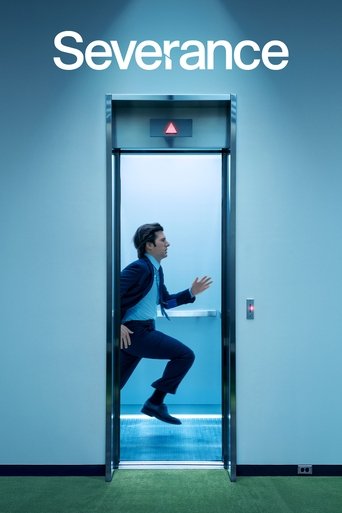
Severance takes the same setting, desks and corridors and a break room, and turns it into a mystery. Its workers have agreed to a procedure that divides memory in two: the self at work knows only the office, and the self at home knows only the evening. Adam Scott leads a cast that includes Britt Lower and Tramell Tillman, the rating stands at 8.4, and the friendships that form among four colleagues on the severed floor are the warm centre of a cool, strange series. The IT Crowd is its cheerful opposite: Roy, Moss and their manager Jen in the basement of a London corporation, twenty-four episodes created by Graham Linehan, and a first question for every caller about turning it off and on again.
Shops, bars and hotels count as workplaces too. Superstore spent six seasons on the floor of a big-box store in St. Louis, with Ben Feldman as the new recruit and a staff room full of distinct voices. Cheers opened its Boston bar in 1982 and kept it open for eleven seasons and 269 episodes; Ted Danson plays the former baseball pitcher who owns it, and the regulars along the counter are as much staff as customers. Fawlty Towers, written by John Cleese and Connie Booth, needed only twelve episodes to become the most admired hotel in comedy, and each one is built like a clock.
The movies in the folder are about getting on. Working Girl, directed by Mike Nichols in 1988, follows a secretary from Staten Island, played by Melanie Griffith, who has a head for business and a boss who borrows her ideas; Harrison Ford and Sigourney Weaver complete the triangle, and the song over the ferry ride won an Academy Award. The Secret of My Success sends Michael J. Fox from Kansas to a New York mailroom and then, by way of an empty office and a borrowed suit, to the executive floor. In Good Company gives a fifty-one-year-old advertising salesman, Dennis Quaid, a new boss half his age, Topher Grace, and watches respect grow in both directions.
Two films from the studio era show how old the office story is. Desk Set, from 1957, puts Katharine Hepburn in charge of the research department of a television network and sends Spencer Tracy to install a room-sized computer; her team of four women answer questions faster than the machine, and the banter between the stars is the film's real engine. Wife vs. Secretary, from 1936, has Clark Gable as a publisher, Myrna Loy as his wife and Jean Harlow as the secretary who is simply very good at her job, with a young James Stewart in support.
The modern office romance has its own corner. In Can You Keep a Secret?, from the novel by Sophie Kinsella, Alexandra Daddario tells every private thought to a stranger on a bumpy flight and meets him again on Monday as the head of her company. In Upgraded, an art-auction intern played by Camila Mendes is bumped to first class and mistaken for her own boss, played with relish by Marisa Tomei. Outsourced sends an American call-centre manager to India to train his replacement, and he learns far more than he teaches. View from the Top follows Gwyneth Paltrow from a small town to the aisles of an international airline, and Beauty & the Briefcase sends a fashion writer, played by Hilary Duff, into a finance office in search of a story.
Why colleagues make good company
The workplace suits long stories because it brings together people who would otherwise stay strangers. A school friend is chosen; a colleague is assigned. That is why the staff rooms in this folder are so varied, and why the affection that grows in them feels earned. Grey's Anatomy has followed surgeons in Seattle for 23 seasons and 461 episodes, the longest run at the desk, and its interns began as rivals for the same operating theatre before they became one another's family. Ally McBeal and Boston Legal, both created by David E. Kelley, set their friendships in law firms; the second ends most episodes with two partners, played by James Spader and William Shatner, talking on a balcony with a drink, and those scenes are among the best portraits of male friendship on television.
Even the oddest workplace in the folder obeys the rule. Dinosaurs, a puppet series from the Jim Henson workshop, gives its father a job pushing over trees for a prehistoric corporation and a boss who roars. The Nanny places Fran Drescher's Queens saleswoman in the household of a Broadway producer, where her daily sparring partner is the butler. Rescued by Ruby tells the true story of a state trooper and the shelter dog who became his partner in a search unit. Take Me Out to the Ball Game has Gene Kelly and Frank Sinatra as ballplayers who spend the winter on the vaudeville stage, and The Harvey Girls follows Judy Garland west to wait tables at a railway restaurant, where the waitresses stand together against the saloon across the street.
Odd couples and neighbours
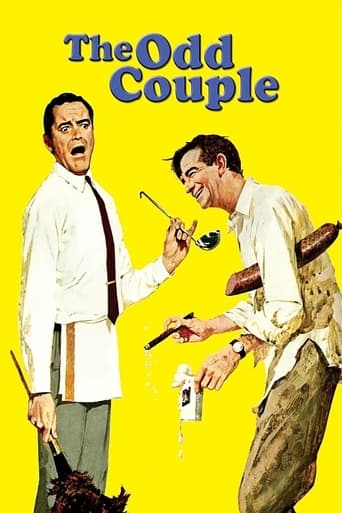
Twenty-seven titles concern the people one lives with or beside, and the guide to odd couples and neighbours starts with the film that named the type. The Odd Couple, adapted by Neil Simon from his own play in 1968, moves the fastidious Felix, played by Jack Lemmon, into the apartment of the cheerfully untidy Oscar, played by Walter Matthau. The poker game, the burnt dinner and the argument about a plate of linguine have been imitated ever since. Thirty years later the same two actors made The Odd Couple II, a road comedy in which the old flatmates travel to their children's wedding.
Shared flats run through the folder. In Spaced, Simon Pegg and Jessica Hynes play two strangers who pretend to be a couple in order to rent a flat in north London; the fourteen episodes, directed by Edgar Wright, are packed with film references and real tenderness. In Notting Hill, Hugh Grant's bookseller has the most memorable flatmate in romantic comedy, a Welshman named Spike who answers the door to the world's press in his underwear, and a dinner table of friends who treat a film star as one of their own. Stage Door, from 1937, is set in a New York boarding house for actresses, where Katharine Hepburn, Ginger Rogers and a dozen others trade jokes at high speed and hold one another up through hard seasons.
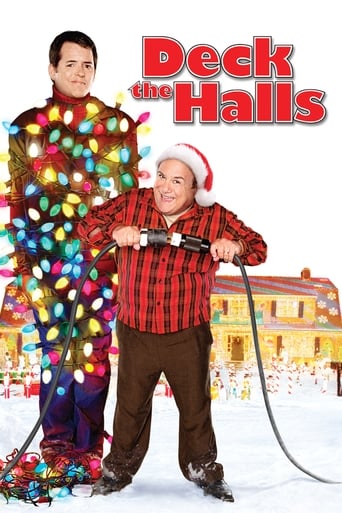
Neighbours supply the rest. Flipped, directed by Rob Reiner, tells one childhood story twice, once from each side of a suburban street: Juli has adored Bryce since the day his family moved in, and Bryce takes six years to see why he should feel the same. It is rated 8.0. Deck the Halls sets Danny DeVito's new arrival against Matthew Broderick's Christmas enthusiast in a contest of lights. Good Neighbor Sam asks Jack Lemmon to pose as the husband of the woman next door so that she can inherit a fortune. The Great Outdoors, written by John Hughes, sends John Candy to a lakeside cabin for a quiet family holiday and then delivers Dan Aykroyd, uninvited, to the cabin as well.
Two series stretch the idea of a neighbourhood. In The Good Place, created by Michael Schur, Kristen Bell wakes in a perfect neighbourhood designed by an architect played by Ted Danson and slowly gathers three friends and a study group in ethics; its fifty episodes form one complete story, rated 8.0. In Barbershop, a Chicago shop owned by Ice Cube's character is the living room of a whole district, a place where the talk matters as much as the haircut. Later films in the folder find new neighbours late in life: Poms starts a cheerleading squad in a retirement community, and And So It Goes places Michael Douglas and Diane Keaton on either side of a shared porch.
School friends
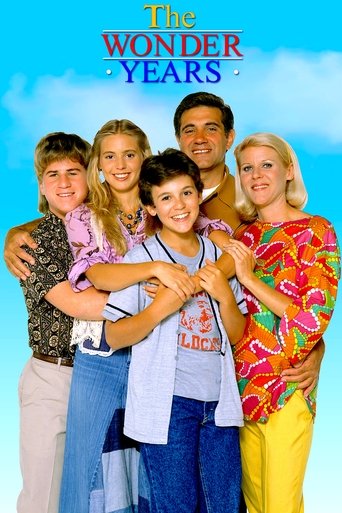
The friends made at school are the first ones a person chooses, and forty-one titles here are about them. The school guide begins with the series. Boy Meets World followed Cory, his best friend Shawn and his classmate Topanga from the sixth grade to married life across seven seasons, with a teacher, Mr Feeny, living next door the whole way; its sequel, Girl Meets World, hands the classroom to Cory and the desks to his daughter. Both are rated 8.3. So is The Wonder Years, in which a grown man looks back on growing up in an American suburb at the end of the 1960s, with a best friend named Paul and a girl across the street named Winnie.
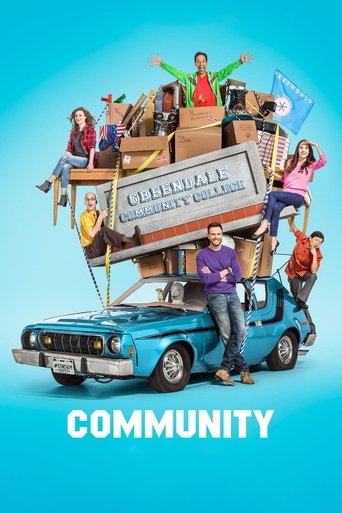
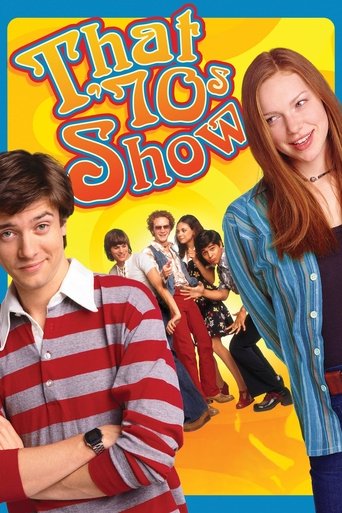
Freaks and Geeks lasted eighteen episodes and launched a generation of actors. Created by Paul Feig and set in a Michigan high school in 1980, it watches a gifted student drift toward a new crowd while her younger brother and his two friends survive the first year. Derry Girls, created by Lisa McGee, sets four girls and one English cousin loose in a convent school in Northern Ireland in the 1990s, and its nineteen episodes are among the funniest of the past decade. Community moves the classroom to a college, where a study group of seven mismatched adults becomes a family, and That '70s Show spends two hundred episodes in a Wisconsin basement with six teenagers and a great deal of time on their hands.
The movies are led by Sing Street, written and directed by John Carney. In Dublin in 1985 a fifteen-year-old starts a band to impress a girl, recruits his classmates and discovers, song by song, that he is good at it; the older brother who coaches him from the sofa is the film's quiet hero. Bill & Ted's Excellent Adventure gives two cheerful friends from California a time machine in a telephone booth and one evening to pass a history report. The Way Way Back spends a summer at a water park, where a shy fourteen-year-old is taken under the wing of a manager played by Sam Rockwell. Whip It, directed by Drew Barrymore, finds a Texas teenager her team on a roller-derby track.
Girlhood friendships are especially well served. The Sisterhood of the Traveling Pants and its sequel pass one pair of jeans among four friends spending their first summers apart. Now and Then remembers the summer of 1970 through four twelve-year-olds and the women they became. Anne of Green Gables, the 1985 Canadian production with Megan Follows, is rated 8.1 and contains the most famous pledge of friendship in children's literature, sworn in a garden on Prince Edward Island. Troop Zero gathers a troop of outsiders in rural Georgia in 1977, Gold Diggers: The Secret of Bear Mountain sends two girls into the caves of the Pacific Northwest after a legend of buried gold, and The Baby-Sitters Club brings the much-loved books by Ann M. Martin to a new generation in two bright seasons.
Mentors
The smallest folder holds six titles and a great deal of feeling. The mentors guide pairs them by profession. Mr. Holland's Opus follows a composer, played by Richard Dreyfuss, who takes a teaching job for a year or two and stays for thirty; the final scene, in a school hall full of former pupils, is the folder in a single image. The Paper Chase is cooler: a first-year law student at Harvard measures himself against a formidable professor, a part that won John Houseman an Academy Award.
Something the Lord Made, rated 8.0, tells the true story of the surgeon Alfred Blalock and Vivien Thomas, the laboratory technician whose skill made a pioneering heart operation possible; Alan Rickman and Mos Def play a partnership that lasted thirty-four years. Radio is set in a South Carolina town where a high-school football coach, played by Ed Harris, befriends a young man played by Cuba Gooding Jr. and gives him a place on the sideline. My Man Godfrey, from 1936, turns the idea upside down, as a butler played by William Powell quietly teaches a wealthy household how to behave.
Sitcoms to settle into
Forty-one of the forty-four series are comedies of about half an hour, and the sitcoms guide treats them as places to live for a while. The form depends on a fixed room and a fixed group: a sofa, a kitchen, a counter. Because the room stays the same, the audience learns it as well as its own home, and the people in it become company. That is why a viewer can start almost any episode of Modern Family, with its three related households in Los Angeles and 250 episodes, and feel at once among relatives.
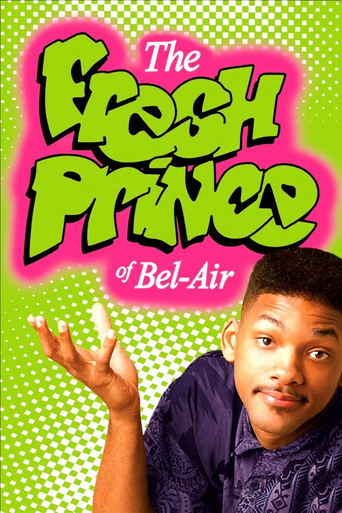
Family sitcoms make up a good half of the folder, and their best scenes usually involve somebody from outside the family. In Home Improvement the father takes his troubles to the neighbour on the far side of the garden fence, whose face stays half hidden for eight seasons. In Family Matters the boy next door, Steve Urkel, wandered into a few scenes and became the star. In Everybody Loves Raymond the neighbours are the hero's own parents, who live across the street and treat his front door as theirs. The Fresh Prince of Bel-Air sends a teenager from West Philadelphia, played by Will Smith, to live with wealthy relatives in California, and the friendship between cousins who begin as opposites is the heart of its 148 episodes.
The Middle and Roseanne are comedies of ordinary budgets, set in Indiana and Illinois, where the washing machine is always about to give up and the family's wit is its wealth. The Goldbergs remembers a Pennsylvania childhood in the 1980s through a boy with a video camera. Schitt's Creek, created by Eugene Levy and his son Dan, strands a once-wealthy family in a motel in a small town and lets the town, slowly and kindly, make them better people; its seventy-nine episodes are rated 7.8.
The British entries are short and dense. Mr. Bean has only fourteen episodes and almost as few words, yet Rowan Atkinson's creation, with his small car and his teddy, is known on every continent. I Dream of Jeannie, the oldest series at the desk, dates from 1965 and pairs an astronaut with a genie and a best friend who is forever one step from discovering her. For younger viewers the folder holds iCarly, in which three friends run a web show from a Seattle loft, Good Luck Charlie, framed as a video diary for a baby sister, Liv and Maddie, with Dove Cameron playing both twins, and The Suite Life of Zack & Cody, set in a Boston hotel where the staff are the brothers' extended family.
The comedy folder
Ninety-three titles carry the comedy label, and the comedy guide picks out the kinds that suit an evening with company. The road comedy is the oldest. Road to Morocco, from 1942, and Road to Bali, from 1952, belong to the series in which Bob Hope and Bing Crosby play two friends who cheat each other, rescue each other and stop now and then to address the audience directly. The holiday comedy follows: National Lampoon's Christmas Vacation gives Chevy Chase a house full of relatives, twenty-five thousand lights and a cousin in a motorhome.
The folder has a gentle side as well. Happy-Go-Lucky, directed by Mike Leigh, follows a London primary-school teacher named Poppy, played by Sally Hawkins, whose cheerfulness is a discipline; her flatmate of ten years is the calmest presence in the film. Fisherman's Friends is based on the true story of Cornish fishermen who sang sea shanties on the harbour wall for years and found themselves with a recording contract. Theater Camp spends a summer with two lifelong friends who teach drama to children and take it very seriously. Brittany Runs a Marathon starts with one block of running and ends, with the help of a neighbour and a running partner, at the finish line in Central Park.
Musical comedy brings groups together in harmony, literally. Pitch Perfect 2 sends the Barden Bellas to a world championship, and The Cheetah Girls and The Cheetah Girls: One World follow four friends with a band and a dream. Radio Rebel gives a shy student a secret life as a radio host whose listeners are her own classmates.
The drama folder
Sixty-one titles are dramas, and the drama guide opens with true stories. The Soloist is drawn from the columns of the Los Angeles journalist Steve Lopez, played by Robert Downey Jr., who heard a man playing a violin with two strings beside a statue of Beethoven and learned that he had once studied at a famous conservatory; Jamie Foxx plays the musician, Nathaniel Ayers. The Greatest Game Ever Played recreates the 1913 United States Open, won by a twenty-year-old amateur with a ten-year-old caddie at his side. Both films are about what one person can do for another simply by staying.
The folder's best-loved drama may be Steel Magnolias. Set largely in a Louisiana beauty salon, it gathers Sally Field, Dolly Parton, Shirley MacLaine, Olympia Dukakis, Daryl Hannah and Julia Roberts and lets them talk through weddings, Christmases and one great sorrow. The laughter in the cemetery scene, arriving at the worst moment and rescuing everyone, is as good a picture of friendship as the cinema has. Circle of Friends, from the novel by Maeve Binchy, follows three friends from an Irish village to university in Dublin in the 1950s, with Minnie Driver in her first leading part.
Animals have a place in this folder because loyalty is its theme. Hachi: A Dog's Tale, rated 8.0, retells the Japanese story of a dog who met his owner at the station each evening and kept coming; Richard Gere plays the professor. The Art of Racing in the Rain, rated 8.1, is narrated by a racing driver's dog, voiced by Kevin Costner, who has studied his human family closely. Storm Boy and Red Dog: True Blue are Australian stories of a boy with a pelican and a boy with a kelpie, and My Penguin Friend follows a Brazilian fisherman and the penguin who returned to him year after year.
Friends who fall in love
Fifty-four titles are romances, and nearly all of them begin as friendships. The romance guide starts with weddings, because a wedding is where a circle of friends is seen whole. Four Weddings and a Funeral, written by Richard Curtis, follows one group through five ceremonies; the love story belongs to Hugh Grant and Andie MacDowell, yet the film is remembered for the friends, their jokes at the back of the church and the poem one of them reads. My Best Friend's Wedding gives Julia Roberts four days to win back a friend who is marrying someone else, and gives Rupert Everett, as her editor and confidant, the best scenes. Bride Wars tests a lifelong friendship with a double booking at the Plaza.
A second group asks whether friends can become a couple. What If sets the question in Toronto, with Daniel Radcliffe and Zoe Kazan as two people who talk so easily that everyone around them can see what they have yet to admit. Just Friends sends Ryan Reynolds home for Christmas to the school friend who once placed him firmly in that category. Brown Sugar follows a music critic and a record executive who have loved hip-hop, and each other, since childhood. Some Kind of Wonderful, written by John Hughes, gives the part of best friend to a drummer played by Mary Stuart Masterson and lets the audience see her worth long before the hero does.
Others in the folder are simply good company: Your Place or Mine, in which two friends of twenty years swap homes for a week; The Wedding Planner and Second Act, both with Jennifer Lopez, the second set in the offices of a consumer-goods company where a generously polished résumé starts the plot and a best friend, played by Leah Remini, keeps the heroine honest; and Love & Friendship, Whit Stillman's sparkling film from an early Jane Austen story, in which Kate Beckinsale schemes her way through three country houses with one loyal confidante.
For the whole family
Thirty-one titles carry the family label, and the family guide arranges them for a shared sofa. Animal friendships come first. Charlotte's Web brings E. B. White's story of a pig and a spider to the screen with Dakota Fanning as Fern and Julia Roberts as the voice of Charlotte, and its closing lines about a true friend and a good writer are among the finest in children's fiction. Homeward Bound: The Incredible Journey sends two dogs and a cat across the mountains of California toward home, and Stuart Little 2 gives its mouse a friend with wings.
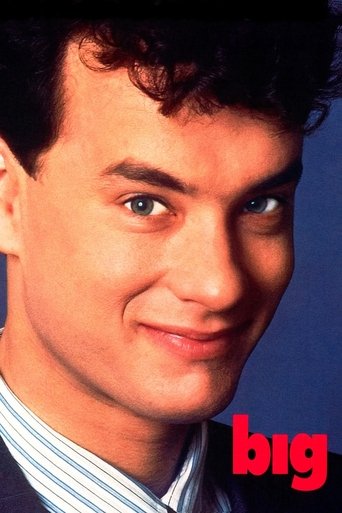
IF, written and directed by John Krasinski, imagines what becomes of imaginary friends once their children grow up, and sends a girl and her upstairs neighbour to find them new homes. Big, directed by Penny Marshall, is filed under friends and belongs here too: a boy wakes in a grown man's body, takes a job at a toy company and keeps one secret ally, his best friend Billy, who is the only person who knows the truth. Tom Hanks dancing on a giant floor piano in a toy shop is the image everyone keeps, and the scene with Billy on the walkie-talkies is the one that matters.
Older favourites complete the folder. Pollyanna, with Hayley Mills in 1960, sends an orphan to a stern aunt's town and lets her win it over one neighbour at a time. The Computer Wore Tennis Shoes has a young Kurt Russell as a college student who absorbs the memory of a computer. Diary of a Wimpy Kid: Dog Days spends a summer holiday with Greg and his friend Rowley, and Sleepover turns one night into a scavenger hunt for four friends on the eve of high school.
Christmas gathers neighbours and colleagues as well as relatives, and the desk keeps a handful of seasonal titles for December. This Is Christmas follows a London commuter who invites the strangers on his daily train to a party, and discovers that the people he has sat beside for years have stories of their own. A Dennis the Menace Christmas lets the boy next door teach a grumpy neighbour the meaning of the season, and Mingle All the Way, Love at the Christmas Table and Return to Christmas Creek are warm television romances built on old friendships.
Three eras of company
The desk files its titles in three periods, described in Three eras. Twenty-nine come from before 1990. The earliest are studio comedies of the 1930s, when dialogue was fast and friendship was shown by how quickly two people could finish each other's sentences. The 1960s add Neil Simon and the first fantasy sitcoms, and the 1980s add the office comedy in its modern form, with Working Girl and Big both released in 1988 and both still fresh.
Seventy-five titles date from 1990 to 2009, the high season of the network sitcom. In those twenty years a large audience watched the same episode on the same evening and discussed it at work the next morning, which is one reason the workplace and the sitcom fit together so well. Most of the long runs at the desk began then. The period also produced the romantic comedies of Richard Curtis and Julia Roberts and a fine crop of family films.
Sixty titles have appeared since 2010. Series grew shorter and more exact, with a few dozen episodes telling one planned story, and streaming services brought new films straight to the living room. Recent arrivals include Float, How to Date Billy Walsh and Spa Weekend, the newest title at the desk, dated 2026.
Top of the queue
Thirty-seven titles are rated 7.8 or higher by at least a hundred voters, and the top rated guide lists them in order. Series dominate, as they tend to when the subject is company; years spent with the same faces build an affection that two hours can rarely match. After the three leaders come four series at 8.3, then Freaks and Geeks, Grey's Anatomy and The IT Crowd at 8.2. The leading movies are The Art of Racing in the Rain and Anne of Green Gables at 8.1, followed by Flipped, Hachi: A Dog's Tale and Something the Lord Made at 8.0. A newcomer to the desk could work down this list for a year and be well entertained throughout.
Long runs and short ones
A useful question to bring to the desk is how much time there is. The series here range from twelve episodes to 461, and the right choice depends on whether the visitor wants a weekend or a winter. For a weekend, the short British comedies are ideal: Fawlty Towers can be seen in two evenings, Spaced in three, and Derry Girls in a week of lunch breaks. Freaks and Geeks and The Baby-Sitters Club are each eighteen episodes, and Severance currently stands at nineteen.
For a winter, the long American runs offer a different pleasure. Thirteen series at the desk passed two hundred episodes, among them Cheers, Modern Family, The Middle and Home Improvement. Watching one from the pilot is like moving into a street: the first weeks are spent learning names, and by the third season the visitor knows who will say what before they say it. Characters age, marry and change jobs in something close to real time, which only a long series can show.
Movies answer a third need, a complete story in one sitting. The shortest at the desk run under an hour and a half, including Stuart Little 2 at seventy-eight minutes and Homeward Bound: The Incredible Journey at eighty-four, and most of the rest end within two hours. The longest, Anne of Green Gables, was made in two parts for television and runs well over three hours, time that its admirers consider well spent.
Rooms worth knowing
These stories are remembered by their rooms. There is the coffee house with the orange sofa, the bar where everybody knows the customer's name, the paper-company floor with its glass-walled office, the basement with the circle of chairs, the hotel lobby in Torquay, the salon in Louisiana and the barbershop in Chicago. Each is a place where people who could be elsewhere choose to stay. Designers understood this: the sets were built to hold a group facing the same way, toward a counter or a television or one another, so that conversation was the action.
The movies have their rooms too. The airport lounge in The Terminal becomes a home with a fountain built by hand. The loft apartment in Big holds a trampoline and a vending machine. The research department in Desk Set is lined with reference books that the staff know by heart, and the boarding-house parlour in Stage Door has one telephone and a dozen women waiting for it. A visitor choosing by mood could do worse than choose by room: a bar for conversation, an office for mischief, a classroom for hope.
Faces that return
A catalogue about company naturally has its regulars. Tom Hanks appears in Big and The Terminal, sixteen years apart, each time as an innocent who makes friends of everyone he meets. Hugh Grant leads Four Weddings and a Funeral, Notting Hill and About a Boy, three films that together form a study of the Englishman learning to need people. Julia Roberts is in Notting Hill, My Best Friend's Wedding and Steel Magnolias and voices the spider in Charlotte's Web. Michael J. Fox climbs the ladder in The Secret of My Success and voices a bulldog and a mouse.
Jack Lemmon is the folder's great neighbour and flatmate, in The Odd Couple, its sequel and Good Neighbor Sam. Katharine Hepburn appears twenty years apart in Stage Door and Desk Set. Ted Danson stands behind the bar in Cheers and designs the neighbourhood in The Good Place. Tim Allen leads both Home Improvement and Last Man Standing, and Patricia Heaton holds two families together in Everybody Loves Raymond and The Middle. Behind the camera, Michael Jacobs had a hand in Boy Meets World, Girl Meets World and Dinosaurs, Rob Reiner directed Flipped and And So It Goes, Howard Deutch made three films at the desk, and John Krasinski, Jim in The Office, wrote and directed IF.
Choosing for the company you keep
The desk is most useful when the visitor says who is in the room. For a group of friends, the surest choices are comedies with a group at the centre: an evening of Community, a pair of episodes of The IT Crowd, or Tommy Boy for those who know every line. For colleagues at the end of a long week, The Office is the obvious answer and Superstore the fresh one. For flatmates, Spaced and The Odd Couple offer a flattering mirror.
For a family with children, the animal films and the school series are safe ground, and The Wonder Years has the rare gift of pleasing three generations at once. For a couple, the friends-first romances suit best, What If or Notting Hill. And for an evening alone, which is when company on the screen counts most, the desk suggests a long series with a warm room: Cheers, Schitt's Creek or Friends from the first episode.
Reading a title page at the desk
Each page is set out so that a decision takes under a minute. The title, the year and a row of small labels come first; the labels give the kind of story, so that a glance separates a comedy from a drama. The score follows, on a scale of ten, with the number of voters behind it, and beside it the length: minutes for a movie, seasons and episodes for a series. A paragraph then tells the premise and stops before the surprises. The leading actors are named with the creator or director, and each name is a link, so that an admirer of one performance can travel to the same actor's other work at the desk. A series page ends with its seasons in order, each with its year and episode count. The country selector and the Watch now button stay close to the top of the page on a telephone as well as on a wide screen.
Questions at the desk
Questions
What is HomieHelpDesk?
HomieHelpDesk is a guide to 120 movies and 44 series about friends, flatmates, neighbours, classmates and colleagues. Each title has its cast, a summary, a rating and a Watch now button.
How do I watch a title?
Open its page, pick your country beside the Watch now button and press it. JustWatch opens with the services that carry the title in that country.
Which title is rated highest?
The Office leads at 8.6. Friends and Severance follow at 8.4, and four series share 8.3: The Wonder Years, Fawlty Towers, Boy Meets World and Girl Meets World.
Which workplace stories should I start with?
Start with The Office, Severance and The IT Crowd among series, and with Working Girl and Desk Set among movies. The workplace folder holds twenty-four titles.
Is there something short?
Yes. Fawlty Towers has twelve episodes, Spaced and Mr. Bean fourteen each, and Freaks and Geeks eighteen. Many movies at the desk run about an hour and a half.
Are there titles for children?
Yes. The family folder holds thirty-one titles, among them Charlotte's Web, IF, Stuart Little 2 and Anne of Green Gables, and the school folder adds series such as Girl Meets World.
What are the quick replies?
They are six buttons under the greeting on the home page. Each one opens a folder: friends, workplace, comedy, family, drama or top rated, with the count shown in green.
What is My Tickets?
My Tickets is the list of titles you plan to watch. Opening a ticket saves a title, closing it marks the title as watched, and the list stays in the browser on your device.
How old is the oldest title?
Two comedies from 1936 are the oldest, My Man Godfrey and Wife vs. Secretary. The newest is Spa Weekend, dated 2026.
Where do the details come from?
Posters, ratings, casts and production details are supplied by TMDB. The guide on this page and the fifteen help pages are written for HomieHelpDesk.
